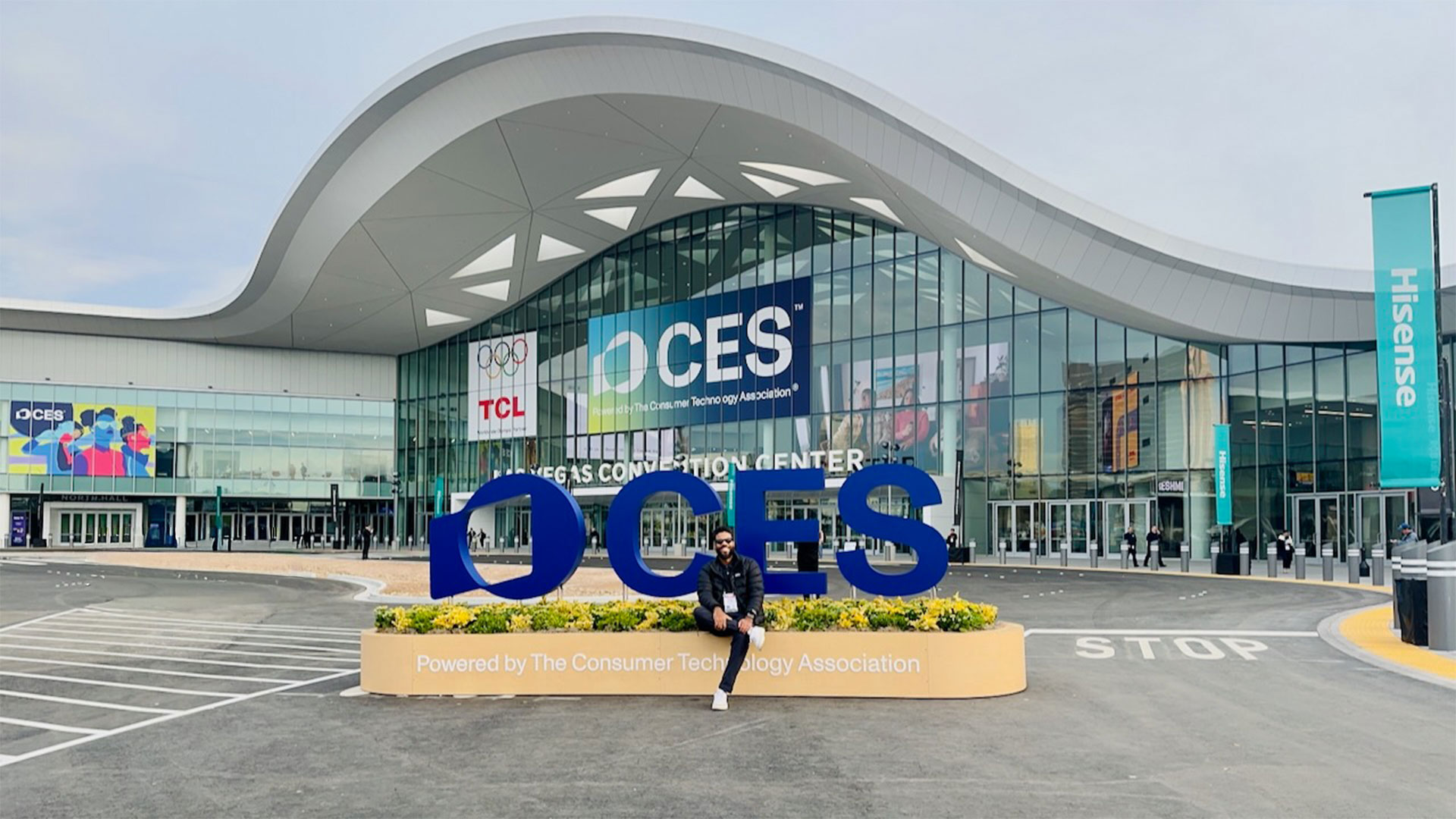
Exploring perspective, implications, and the innovations shaping what comes next
This year’s journey through CES 2026 was different by design. While the show floor overflowed with the latest gadgets and gizmos (and yes, they’re everywhere online), I wanted to dig deeper. I invited colleagues who, like me, were brought to Las Vegas to engage with executives and industry leaders about the real questions: Why are these innovations happening? What do they mean for the future? And what aren’t we seeing?
From the evolution of robotics and the retreat of traditional automakers to the battle of operating systems and the future of smart glasses, this year’s CES revealed as much through absence as through presence. Below, you’ll find my video conversations with fellow innovators who toured different sections of the show, each bringing their unique expertise to help make sense of it all.
CES 2026 – Beyond the Gadgets | The Black Futurist Podcast
In these discussions on site at CES, I sat down with:
- Tim Hanlon (The Vertere Group) on operating systems, wearables, and the battle for your digital life
- Hardie Tankersley on the shifting automotive landscape and the conspicuous absence of major car manufacturers
- Eric Hunter (Logic and Zeal) on robotics, form factors, and why science fiction might be holding us back
Key Themes from CES 2026
The Auto Exodus: Five years ago, CES was practically an auto show. This year? BMW had one car in the parking lot. The West Hall told a different story: one of Chinese EVs (unavailable in the US), autonomous taxis like Zoox and Waymo, and a fundamental shift from ownership to mobility-as-a-service.
Rethinking Robotics: The humanoid robot obsession continues, but the most advanced robots at CES 2026 weren’t trying to look human at all. They were combines, airport baggage handlers, and industrial solutions designed for specific problems, not to recreate humanity.
The OS Wars Continue: From car infotainment to smart home ecosystems, everyone wants to be your operating system. Samsung, Apple, Google, and auto manufacturers are all vying for dominance, but consumers just want things to work simply and consistently.
Smart Glasses Step Forward: Wearable glasses made meaningful progress this year with real-time translation, subtitles, and teleprompter capabilities appearing in your field of vision. The technology is maturing, but battery life remains the persistent challenge.
Moments from CES 2026


What We Saw: Colleague Perspectives
I asked friends to list for me a couple of their “best in show” technologies from CES 2026. Here’s what they shared:
Annie says…
CES 2026 wasn’t about futuristic fantasy; it was about real progress with a focus on physical AI and robotics. My Top Booths at CES were:
XREAL
Having worked in VR and immersive content for many years, I’ve been aware of XREAL since they launched as Nreal in 2017. Their latest AR glasses use AI to add helpful digital information directly into your view, whether for work, navigation, or collaboration.
What made XREAL special this year was how natural it felt. Higher resolution, smoother performance, and smarter AI made the tech feel less like a gadget and more like something you could actually use daily. It’s a great example of how AI is becoming something you live with, not just something you open on a device.
SIEMENS
Siemens didn’t focus on consumer gadgets. Instead, they showed how AI is transforming infrastructure and can support industries from engineering to entertainment. Their booth told real customer stories, including Pepsi Co, showing how AI helps design products, run factories, and manage complex systems using digital twins and automation. They also featured a collaboration with Walt Disney Imagineering that highlighted 3D creative industrial design, in partnership with Haddy.
What I loved was how grounded it felt in real-world problem-solving, using AI to make big systems smarter, safer, and more efficient.
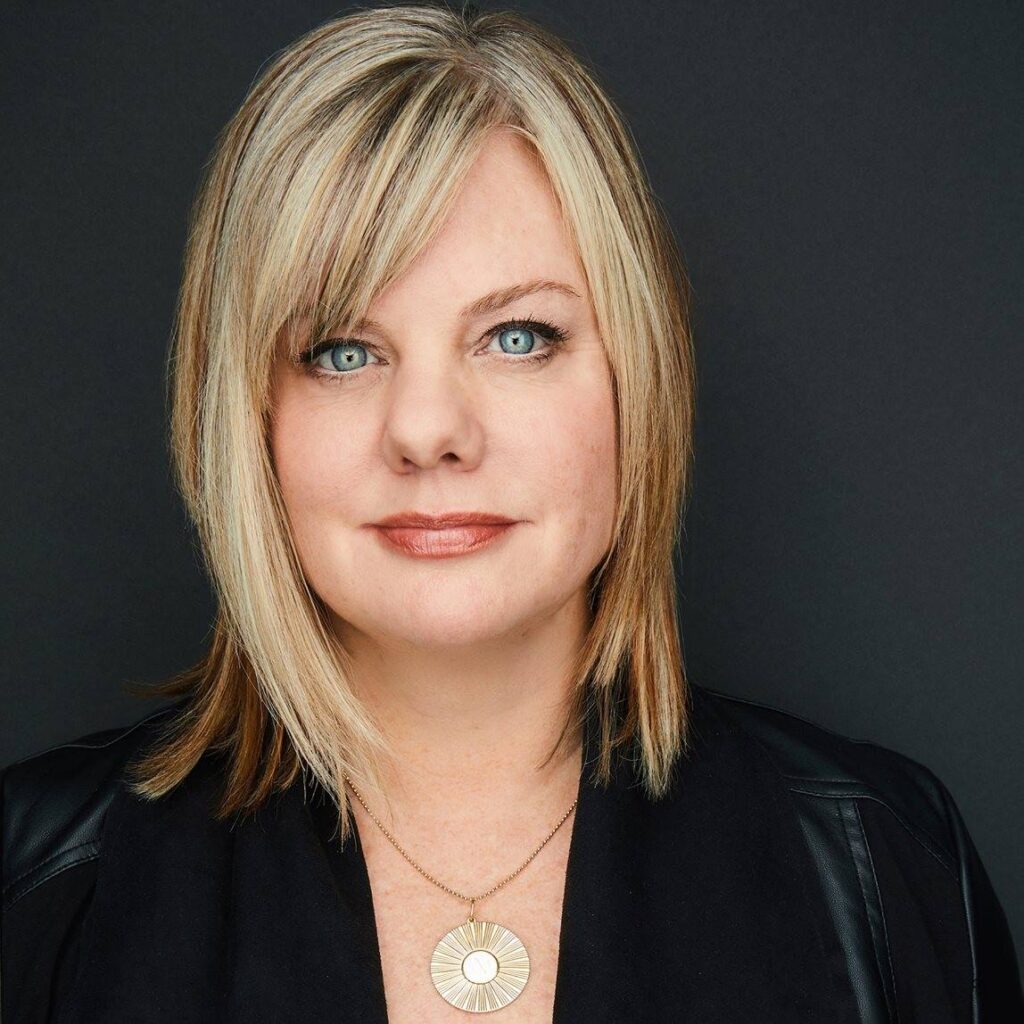
Annie Hanlon is an accomplished executive and an award-winning producer with expertise spanning advertising and commercials, immersive and virtual production, traditional film and series, digital, emerging technology, and documentary production.
Rachel says…
My favorite CES exhibits inlcuded:
LEGO Smart Play
LEGO’s move into smart play was quietly huge. Not because it was flashy, but because it was intentional. They demonstrated how physical and digital play can merge without replacing imagination, needlessly overstimulating kids, or turning play into performance or data extraction.
This didn’t feel like “LEGO with a screen.” It felt like LEGO extended into a modern context without losing its soul. That level of restraint, especially in kid-focused tech, is incredibly hard to execute. LEGO pulled it off.
Sharpa
Sharpa stood out not for spectacle, but for clarity. The best demos show, not explain, and Sharpa’s did exactly that. In seconds, the benefit was obvious. They respected attention. They respected intelligence. They trusted the product.
While humanoid robotics are still relatively slow, fragile, and dependent on structured environments, Sharpa’s framing was honest, grounded, and still exciting. It showed meaningful progress without overpromising, and that credibility made it compelling.
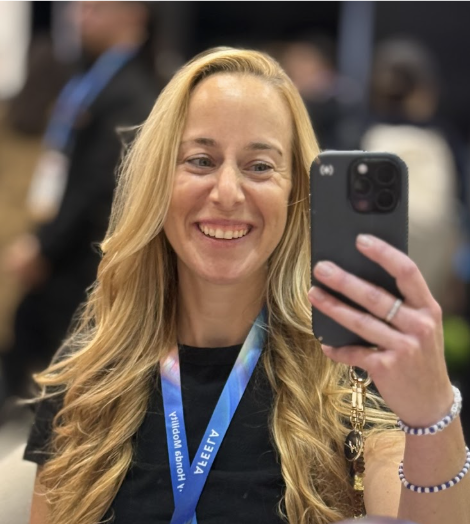
Rachel Rothman is an internationally recognized product testing expert, engineer, and trusted consumer voice. Formerly Chief Technologist at the Good Housekeeping Institute, she is now Co-Founder and Chief Innovation Officer of Best of the Year Media and Betteroo, where she focuses on credible evaluation, inclusive design, and real-world impact, helping consumers, companies, and institutions understand not just what’s new, but what truly works.
My Favorite Tech (Coming Soon)
The Bigger Picture
What struck me most about CES 2026 wasn’t any single innovation. It was the inflection points. We’re in a middleware moment, where robot hands press buttons on coffee machines because we haven’t yet redesigned the machine itself. Where car manufacturers resist CarPlay because they want to own your digital experience. Where every device wants to be a platform.
The winners in this next wave won’t be those who recreate what science fiction imagined, but those who solve real problems with purpose-built solutions. The future isn’t about making robots look human. It’s about making technology work like magic.
I’m available for speaking engagements, strategic moderation, and advisory sessions designed to help teams think critically about innovation and its impact on your industry and customers.
Connect with me:
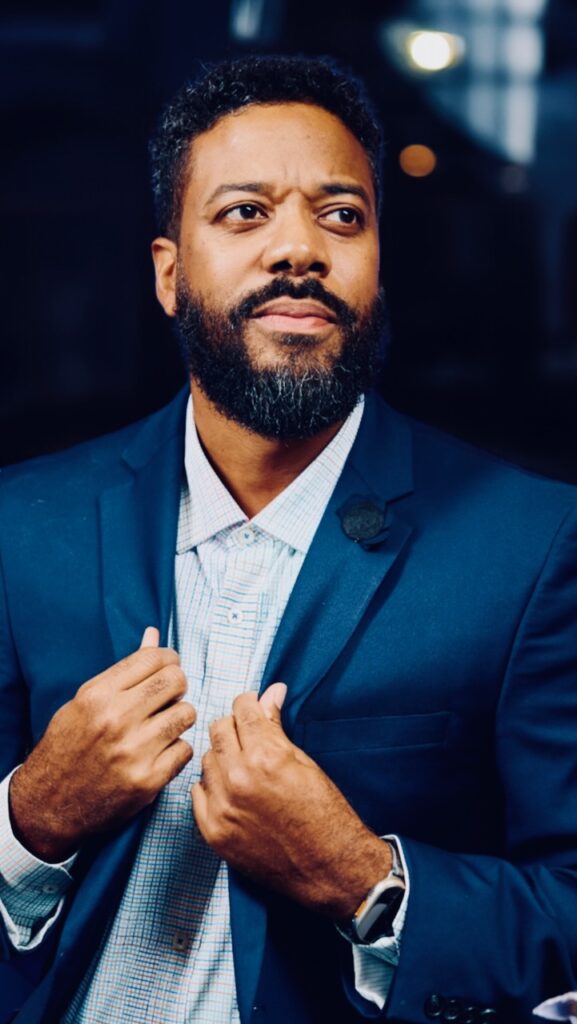
Bryndan D. Moore sits at the crossroads of culture and innovation. A sought-after speaker at top U.S. tech conferences and universities, he produces podcasts and documentaries for leading brands and has founded successful community-driven consumer startups.
